
Home Generators, Battery Backup or Both? Position Hybrid Systems to Win Bigger Projects
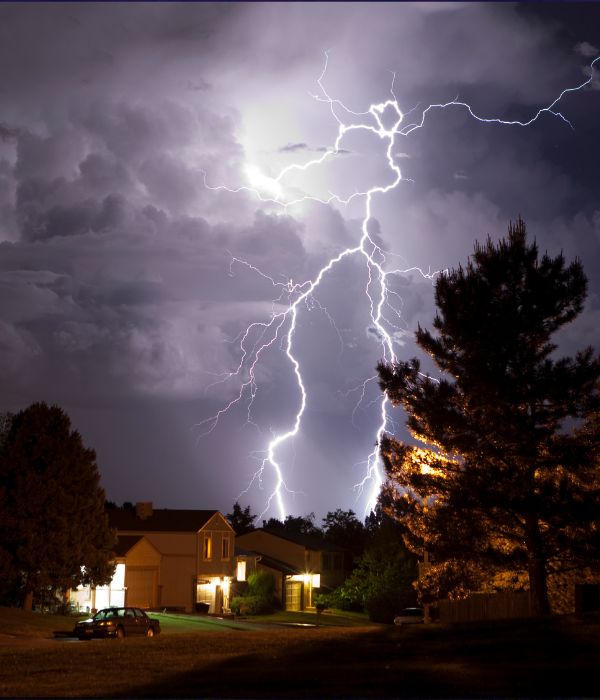
Your customers have stopped asking “what generator should I buy?” Now they’re asking how to keep the lights on, the fridge cold and life running when the grid goes down, and whether solar and battery storage fit into that picture. This shift is backed by hard market research.
According to ShelfTrend’s Household Solar Batteries U.S. Market Analysis:
“The household solar battery market in the U.S. is experiencing rapid growth, driven by increasing energy costs, grid reliability concerns and growing environmental awareness.”
ShelfTrend highlights that high-intent search terms like “home battery backup” generate tens of thousands of searches every month, with sharp spikes in hurricane and storm-prone regions.
Google Trends data tells the same story: baseline consumer interest for queries like “home hybrid backup power” and “battery and generator for home” reveal similar spikes.
Homeowners are no longer researching these technologies in isolated silos. Trade publications like Solar Power World regularly highlight generator-integrated energy storage systems, and leading manufacturers are already pouring marketing dollars into website landing pages.
Your potential clients are actively Googling this exact hybrid solution before you even step foot in their living room. Stop pitching standby generators and battery storage as competing options. Position them as complementary layers in one smarter backup strategy.
You’re not choosing sides. You’re designing the most practical system.
The Generator Marketing Conversation Has Changed
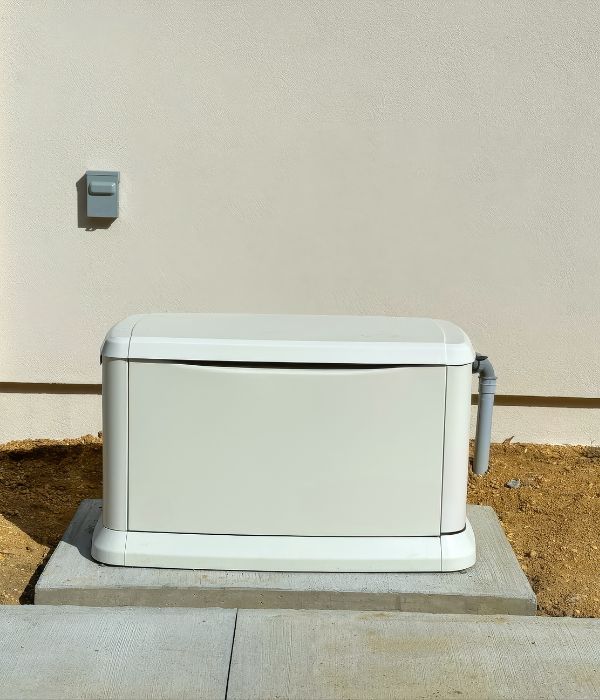
The standby generator used to be the automatic answer for whole-home backup. In hurricane zones and areas with long outages, it still earns that No. 1 spot.
But solar, battery storage and changing utility rate structures (like Time-of-Use pricing and shifting solar net-metering rules) have changed the math.
Customers now know batteries can pull energy from the grid, from solar, or both – releasing it the instant power drops or discharging during peak hours to slash monthly electric bills.
They want quiet operation, solar integration and a way to ride out a brief flicker without an engine roaring to life in the driveway.
Frame this as “generator versus battery” and you leave money on the table. For most households, the best answer isn’t either technology alone. It’s a properly designed hybrid system. That’s the premium, future-proof solution you should be pitching to your customers.
Unleash Your Website’s Potential with ROAR!
Are you ready to elevate your online presence? At ROAR! Internet Marketing, our Performance Based Digital Marketing Agency specializes in uncovering valuable insights that drive results. With over 17+ years of experience and expertise, we craft customized strategies personalized to your unique business needs.
Let us help you attract more leads and dominate your industry!
The Generator Marketing Pitch: How Hybrid Systems Deliver Complete Resilience
A hybrid design gives each component the exact job it was built for over the timeline of an outage:
- 0 to 15 Minutes: Grid flickers or drops. The battery handles the transfer instantly and silently. No engine noise, fuel burn or startup delay.
- 1 to 4 Hours: Brief outages hit. The battery powers essential loads while keeping the home completely quiet.
- 4+ Hours / Extended Storms: The battery drains or heavy demand (like central AC) kicks on. The standby generator takes over as the long-duration safety net, running major loads and recharging the battery reserve.
Layering the two cuts unnecessary generator runtime while covering every outage length, from a 15-minute blip to a two-week grid failure. For your customer, this isn’t “more equipment.” It’s a fully resilient home.

How to Overcome Price and Performance Objections
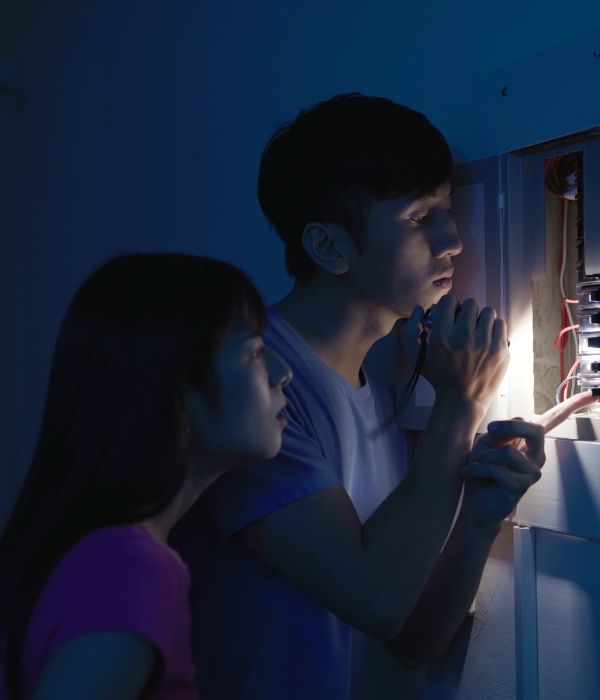
Sales conversations stall when customers see battery backup as too expensive or incapable of running their whole lifestyle. Don’t dismiss the concern. Reframe the system design.
“Will a battery run my whole house?”
Reframe: It can, but that takes a massive, cost-prohibitive battery bank. A hybrid setup lets a modest battery handle 90% of your brief outages quietly, leaving heavy loads like central AC to the generator during extended failures.
“What happens if the outage lasts several days?”
Reframe: That’s exactly where your standby generator earns its keep. The battery covers the initial hours and lighter loads. The generator carries the heavy lifting from there.
“I already have a generator. Why add a battery?”
Reframe: Your generator is a sledgehammer. It’s great for major storms, but wasteful for a 20-minute grid hiccup. A battery eliminates engine short-cycling, saves fuel, gives you instant power and can even lower your daily power bill during peak utility hours.
“Do I need solar to install a battery?”
Reframe: No. Modern microgrid management systems allow batteries to charge straight from the grid, from solar, or directly from your generator. Solar adds another layer of independence, but it’s an enhancement, not a requirement.
Sell the Outcome, Not Just the Equipment
Don’t sell a standalone product quote. Sell a backup-power system built around how the family actually lives. Open every consultation with a few diagnostic questions:
- Which loads are non-negotiable – HVAC, refrigeration, medical equipment, well pumps, a home office?
- How often does the home lose power, and how long do outages typically run?
- Is solar already installed, planned or off the table for now?
- What fuel sources are accessible onsite?
- How much do quiet operation, fuel savings and energy monitoring matter to this customer?
These questions move the conversation away from a race-to-the-bottom price comparison and toward a custom resilience plan.

Scale Your Average Ticket Size with Phased Architecture
A hybrid model gives you multiple ways to expand project scope while solving the customer’s upfront budget limits:
- Foundation First: Sell the standby generator for long-duration resilience.
- Quiet Layer: Add battery storage to cover short outages silently, cut engine wear and manage daily peak rates.
- Smart Distribution: Include load management controls that prioritize critical circuits.
- Phased Upgrades: If their budget is tight now, sell the full master design today. Install Phase 1 (generator or battery) and lock in repeat business for Phase 2 down the road.
Smart load controls deserve their own line item in your proposal. They route power where it’s needed most and stretch overall system performance further than most homeowners expect.
Position Your Company as the Premier Authority
Your customers don’t need another contractor pushing a single brand. They need a consultant who calculates true demand, lays out trade-offs and designs around real risk.
A focused home generator digital marketing strategy helps ensure homeowners find your company while researching backup power, battery storage and hybrid energy solutions online.
Lead with education: explain stored vs. generated energy, show how load management affects sizing and use local outage history to ground the proposal in reality. Present standalone and hybrid options side by side, and recommend the protection level that actually fits their life.
Do this consistently, and you build a more credible sales process, earn stronger trust and win the higher-value projects your competitors aren’t equipped to design.


Categories
- AI Optimization
- Compliance
- Digital Marketing
- Email Spam
- Local Search
- Pest Control
- Pest Control Consumer Trends
- Pest Control Digital Agency
- Pest Control Marketing
- PPC
- Pressure Washing
- Pressure Washing Consumer Trends
- Pressure Washing Digital Agency
- Pressure Washing Marketing
- ROAR! Internet Marketing
- SEO
- Social Media
- Vein Clinic
- Vein Clinic Digital Marketing
- Web Design