
WordPress SEO: Debunking 5 Myths and Maximizing Your Strategy
As SEO continues to evolve, WordPress remains a dominant force, powering over 40% of websites worldwide. However, despite its popularity, many misconceptions persist about its SEO capabilities.
Adding to the complexity is the rise of Generative AI in search, leading to a new term: Generative Experience Optimization (GEO). With Google’s AI Overviews and AI-powered search engines like SearchGPT, the way websites are ranked and displayed is shifting.
Optimizing for GEO is now a crucial part of WordPress SEO – ensuring your content is structured, easy to navigate and AI-friendly while still delivering an excellent user experience.
To guarantee that your site remains competitive, let’s debunk 5 common WordPress SEO myths – and explore expert-backed strategies to boost your rankings in this evolving landscape.
Myth #1: WordPress Is SEO-Friendly by Default
Misconception: WordPress is inherently optimized for search engines right out of the box.
Reality: While WordPress provides a strong foundation for SEO, it requires proper configuration to unlock its full potential.
What You Should Do Instead:
✔️ Optimize Permalinks – Use clean, keyword-rich URLs (e.g., /wordpress-seo-2025 instead of /?p=123).
✔️ Enhance Metadata – Install an SEO plugin to customize title tags and meta descriptions.
✔️ Improve Site Structure – Use clear navigation, internal linking and schema markup to help search engines understand your content.
💡 Expert Insight: According to Devin Lynch, Technical Manager at ROAR!, “Keeping your content informative, creating a good user experience/design, making your site navigable and structuring content for easy readability still play a pivotal role in WordPress SEO success.”
Key Takeaway: WordPress is SEO-friendly but not fully optimized by default. A proactive approach is essential for search success.

Myth #2: An SEO Plugin Guarantees High Rankings
Misconception: Installing an SEO plugin like Yoast or Rank Math automatically improves rankings.
Reality: SEO plugins are tools, not solutions. They help with optimizations but don’t replace high-quality content and keyword research.
What You Should Do Instead:
✔️ Use SEO Plugins Wisely – Follow their recommendations, but don’t rely on them blindly.
✔️ Prioritize Content Strategy – Conduct keyword research and create valuable, search-intent-driven content.
✔️ Monitor Analytics – Track what’s working and refine your strategy based on performance data.
💡 Expert Insight: Lynch points out that one of the biggest mistakes he sees is not incorporating an SEO plugin to generate metadata like title tags, descriptions and schema markup. “Plugins like Yoast SEO, Rank Math or AIO SEO are crucial to building your content around SEO best practices,” he explains.
Key Takeaway: Think of SEO plugins as GPS guides, not autopilots. They point you in the right direction but don’t drive your success.
Unleash Your Website’s Potential with ROAR!
Are you ready to elevate your online presence? At ROAR! Internet Marketing, our Performance Based Digital Marketing Agency specializes in uncovering valuable insights that drive results. With over 17+ years of experience and expertise, we craft customized strategies personalized to your unique business needs.
Let us help you attract more leads and dominate your industry!
Myth #3: More Plugins Equal Better SEO
Misconception: Adding multiple SEO-related plugins enhances search rankings.
Reality: Installing too many plugins can slow down your website, affect user experience and introduce security risks.
What You Should Do Instead:
✔️ Keep it Lean – Use only essential SEO plugins and remove unnecessary ones.
✔️ Optimize Performance – Use caching, image compression and a lightweight theme to maintain fast load speeds.
✔️ Regularly Audit Your Plugins – Check for outdated or conflicting plugins that may hurt your site’s health.
💡 Expert Insight: Lynch warns about plugin bloat, saying, “We often see sites with 17+ plugins installed, all frontend-facing and loading extra CSS or JavaScript – even when the functionality isn’t needed on that page.” The result? A slower site and poor user experience.
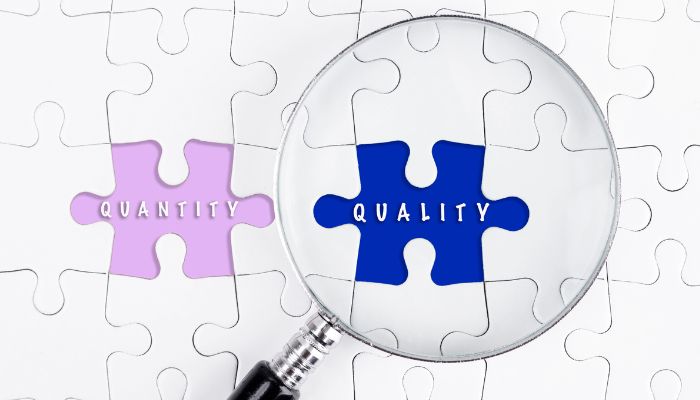
Key Takeaway: Quality over quantity – Too many plugins can do more harm than good. Choose them wisely.

Myth #4: SEO Is All About Google
Misconception: Google is the only search engine that matters for WordPress SEO.
Reality: While Google remains dominant, AI-powered search experiences and alternative engines like Bing (with OpenAI), DuckDuckGo and IndexNow-enabled platforms are changing the game. If your WordPress site is only optimized for Google, you may be missing out on valuable traffic.
What You Should Do Instead:
✔️ Ensure Your WordPress site is Indexable and Navigable – Use XML sitemaps, internal linking and Schema.org markup.
✔️ Implement IndexNow – This helps Bing, Yandex and other search engines discover new content faster.
✔️ Optimize for Voice and AI Search – Structured data and conversational keywords improve visibility in AI-driven search results.
💡 Expert Insight: Lynch warns, “You still need to get indexed on Google, of course, but don’t neglect alternative search engines. Techniques like IndexNow can help other platforms quickly find and showcase your content.”
Key Takeaway: A well-optimized WordPress site should perform well across multiple search engines – not just Google.
Myth #5: SEO Is a One-Time Setup
Misconception: Once your WordPress SEO is set up, you don’t need to touch it again.
Reality: SEO is never “done” – especially with AI-powered search engines and evolving ranking factors. Your WordPress site must adapt continuously to maintain visibility.
What You Should Do Instead:
✔️ Regularly Audit Your WordPress Site – Check for broken links, outdated plugins and slow-loading pages.
✔️ Update and Repurpose Content – Keep blog posts fresh and aligned with new search trends.
✔️ Monitor AI-powered Search Trends – Tools like Google’s AI Overviews and SearchGPT are changing how content is surfaced.
💡 Expert Insight: Lynch predicts, “We’ll see more SEO plugins catering to GEO, using Schema.org markup and AI to generate content tailored for AI-driven search engines.”
Key Takeaway: WordPress SEO is an ongoing process. Regular updates, technical optimizations and AI adaptation will keep your site competitive.


Final Thoughts: Mastering WordPress SEO
By debunking these myths and adopting a strategic approach, you can maximize your WordPress SEO performance.
Key Action Points:
- Configure your WordPress settings for optimal SEO.
- Use SEO plugins as guides, not crutches.
- Keep your website fast and secure by minimizing plugin bloat.
- Optimize for Google and beyond.
- Treat SEO as an ongoing strategy, not a one-time task.
Stay agile, keep learning and your WordPress site will thrive in the ever-changing digital landscape.

Categories
- AI Optimization
- Compliance
- Digital Marketing
- Email Spam
- Home Elevator Digital Marketing
- Home Elevators
- Home Generators
- Home Genrator Dealer Marketing
- Local Search
- Pest Control
- Pest Control Consumer Trends
- Pest Control Digital Agency
- Pest Control Marketing
- PPC
- Pressure Washing
- Pressure Washing Consumer Trends
- Pressure Washing Digital Agency
- Pressure Washing Marketing
- ROAR! Internet Marketing
- SEO
- Social Media
- Vein Clinic
- Vein Clinic Digital Marketing
- Web Design