How Your Pest Control Company Can Turn “Kid and Pet Safe” Concerns Into Booked Leads
A homeowner notices fresh rodent droppings behind the garage freezer as temperatures drop. They need help, and they are ready to hire right away. But before they pick up the phone or submit a quote request, one critical hesitation stops them:
What does this type of treatment mean for my kids and my pets?
If your pest control digital marketing simply relies on badges that say “Family-Friendly” or “Pet Safe,” you have left that question unanswered. Your competitors likely have too.
Here is the best way to structure your seasonal content, FAQs and service pages to address real consumer objections, maintain strict regulatory compliance and turn anxious searchers into high-ticket booked pest control jobs.


The Question Behind the Search Query
Search queries like “is pest control safe for dogs” or “pest control pet safe indoor” surge every fall as rodents, spiders and overwintering insects seek shelter indoors.
Homeowners are rarely looking for surface-level reassurance. They want answers to operational questions such as:
- Does my dog need to leave the house during interior spray treatments?
- Will my outdoor cat get into a rodent bait station?
- How long until my toddler can crawl on treated floors?
- Where do granular baits or liquid barriers actually go?
You cannot resolve these concerns with a blanket slogan, and attempting to do so hurts your conversion rate. The honest answer depends on the pest, the target area, the application method and the product label.
Demonstrating a structured, reliable pest control process to solve their problem is what builds consumer trust and books appointments.
Unleash Your Website’s Potential with ROAR!
Are you ready to elevate your online presence? At ROAR! Internet Marketing, our Performance Based Digital Marketing Agency specializes in uncovering valuable insights that drive results. With over 17+ years of experience and expertise, we craft customized strategies personalized to your unique business needs.
Let us help you attract more leads and dominate your industry!
The Legal and Conversion Risk of “100% Safe”
Many pest control marketing campaigns lean heavily on buzzwords like “eco-friendly,” “chemical-free” or “totally safe for pets.”
This creates 2 immediate problems:
1. Skepticism Among High-Value Prospects: Modern homeowners research products online. When a site claims chemical pest control has zero risk, informed prospects view it as evasive or dishonest.
2. Regulatory and Compliance Violations: Under the Federal Insecticide, Fungicide and Rodenticide Act (FIFRA) and state structural pest control boards, operators are restricted from making absolute safety claims such as calling an EPA-registered pesticide “safe,” “harmless” or “non-toxic.”
Therefore, you need to replace absolute claims with process transparency across your website and landing pages:
| Customer Concern | Avoid This Copy | High-Converting Alternative |
|---|---|---|
| General Safety | “Our treatments are 100% safe and non-toxic for families and pets.” | “We customize every treatment plan, applying targeted products only where necessary and providing clear reentry times before work begins.” |
| Rodent Control | “Our rodent treatments will never hurt your dog or cat.” | “We place EPA-approved rodenticide exclusively inside locked, tamper-resistant bait stations anchored away from pets and children.” |
| Chemical Use | “We never use harsh chemicals inside your home.” | “We practice Integrated Pest Management (IPM): locating entry points, sealing gaps first and using targeted products only as a secondary measure.” |
Turn Fall Seasonality Into High-Intent Content
Skip the generic “Top 5 Fall Pest Tips” blog post that offers advice on raking leaves. Use seasonal behavior to show prospective clients your technical expertise:
- Show the Inspection Process: Walk through where your technicians check for rodent activity (attics, crawl spaces, utility penetrations, garage seals).
- Clarify Exclusion vs. Extermination: Explain why chemical barriers fail if structural entry points remain unsealed.
- Define Scope Clearly: If exclusion work requires carpentry repairs beyond standard caulking and door sweeps, state that upfront. Transparency sets realistic expectations and filters out low-intent leads.
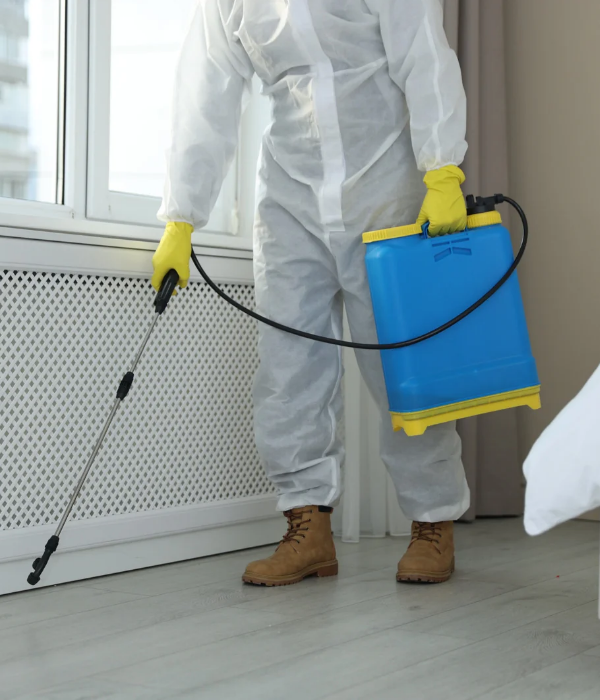
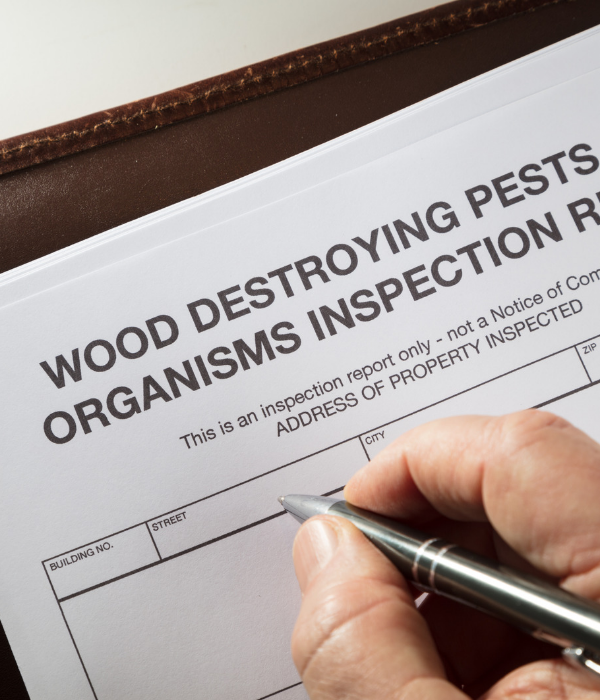
- Include Visual Proof: An annotated photo of an exterior entry point alongside a sample pre-treatment prep sheet builds more credibility than any stock photo of an exterminator spraying baseboards.
Explain Integrated Pest Management (IPM) in Plain English
IPM is standard operating procedure in the pest management industry, but homeowners rarely type “IPM” into Google.
Explain the concept using practical consumer terms:
“We start by identifying what pest is present and what is attracting it to your home. Next, we seal entry points and eliminate harborages. If a targeted pesticide is necessary, we explain where it goes, provide the product label, and give you step-by-step prep and reentry instructions before we open a single container.”
This approach aligns with EPA pest control best practices and immediately differentiates your business from low-cost “spray-and-pray” competitors.

Website Architecture: The High-Converting Pet and Child Safety FAQ
Add a dedicated safety section to your core service pages and location landing pages. Use this exact structure to answer objections directly:
1. “Do my pets and children need to leave during service?”
How to answer on your site: “It depends on the treatment plan. For standard exterior barrier sprays, pets can remain indoors safely. For interior treatments, we provide specific drying times (typically 2 to 4 hours) and clear reentry guidance tailored to the exact product used.”
2. “Can I see what products and active ingredients you use?”
How to answer on your site: “Yes. We maintain complete Safety Data Sheets (SDS) and EPA-registered product labels for every product we apply. Your technician will review them with you before service starts upon request.”
3. “How do you keep dogs from chewing on rodent bait?”
How to answer on your site: “All rodenticides are secured inside locked, heavy-duty, tamper-resistant bait stations. These stations are mechanically anchored to foundations or placed in areas completely inaccessible to curious pets and children.”
Key Metrics to Track
Measure the performance of safety-focused content by evaluating bottom-funnel engagement:
- Form Submission Rate: Are safety-optimized service pages converting a higher percentage of organic traffic than standard sales pages?
- Call Inquiries: Track phone leads to determine if customer service representatives are spending less time answering repetitive pet-safety questions because the website answered them first.
- Lead Quality: Monitor whether incoming leads cite specific services (such as exclusion or targeted rodent control) rather than shopping around purely on base price.
When you replace empty “family-safe” slogans with verifiable inspection steps, explicit reentry times and transparent prep guidelines, your website transforms from a digital brochure into an active sales driver for your business.


Categories
- AI Optimization
- Compliance
- Digital Marketing
- Email Spam
- Home Elevator Digital Marketing
- Home Elevators
- Home Generators
- Home Genrator Dealer Marketing
- Local Search
- Pest Control
- Pest Control Consumer Trends
- Pest Control Digital Agency
- Pest Control Marketing
- PPC
- Pressure Washing
- Pressure Washing Consumer Trends
- Pressure Washing Digital Agency
- Pressure Washing Marketing
- ROAR! Internet Marketing
- SEO
- Social Media
- Vein Clinic
- Vein Clinic Digital Marketing
- Web Design