Home Elevator Digital Marketing: Decoding the Searches That Signal ‘Ready to Age in Place’
You already know this: the decision to install a residential elevator is definitely not an impulse purchase. It starts long before a homeowner ever does a Google search for “home elevator installer near me.”
It actually begins with late-night Google searches about aching knees, the quiet fear of falling and the profound desire to keep beloved aging parents safely in their 2-story home.
These simple queries? They are as emotional as they are practical.
For you, the residential elevator expert, these searches are not just data. They are golden intent signals. They pinpoint the families actively researching age-in-place options. They reveal the specific fears, questions and objections you must address before anyone asks for a quote.

Who is Actually Searching for You?
According to recent AARP surveys, 75% of adults aged 50 and older wish to age in place. Two core audiences typically drive this critical age-in-place search behavior:
- The Homeowner: These are older adults who want to stay put and age in place. They worry about safety, losing their independence and their future mobility.
- The Adult Child: This is the online researcher. They are juggling concerns about cost and disruption, often trying to figure out if moving a parent to expensive and impersonal assisted living can be avoided.
These groups may search differently, but both are desperate for trustworthy guidance. They aren’t looking for a hard sell. They are looking for guidance to make informed decisions. When you use your home elevator digital marketing to respond with empathy, clarity and options, you will earn the click and the call.

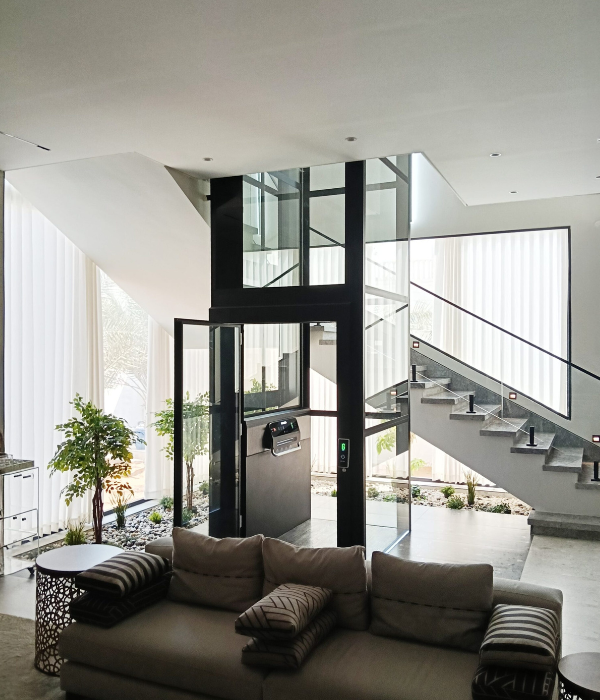
Queries That Reveal Strong Intent
Look past the obvious “residential elevator” keywords. Pay attention to the life-event and problem-based searches that are signaling, “I am ready to solve this” such as:
- “How to stay in my home as I get older”
- “Alternatives to moving to assisted living”
- “Make stairs safer for seniors”
- “Cost of home elevator”
- “Can Medicare pay for home elevator”
These phrases show someone is truly thinking about safety, independence and aging in place. Building your campaigns and content around these themes lets your brand meet users much earlier in their research journey.
Then, you can expertly guide them toward a home elevator as the most complete, future-proof solution.
Unleash Your Website’s Potential with ROAR!
Are you ready to elevate your online presence? At ROAR! Internet Marketing, our Performance Based Digital Marketing Agency specializes in uncovering valuable insights that drive results. With over 17+ years of experience and expertise, we craft customized strategies personalized to your unique business needs.
Let us help you attract more leads and dominate your industry!
Your Strategy: Use Educational Content as Your Trust Anchor
When a prospective buyer is anxious about a big decision, what do they truly need? They want an honest guide rather than a sales pitch. Educational content should be the bedrock of your strategy.
- Pillar Guides on Aging in Place: Explain the full landscape, including grab bars, stairlifts, ramps, elevators and bathroom remodels. Position residential elevator installation within this broader, crucial safety plan.
- Your “Beginner’s Guides” to Home Elevators: Deeply explore the types of systems, space requirements, noise levels, safety features, maintenance and exactly what the home elevator installation process looks like.
- Room-by-Room Accessibility Checklists: Offer downloadable checklists that help families assess their own home risks and prioritize improvements.
When your website consistently answers the nerve-wracking questions nervous homeowners are asking, you become the trusted expert they instinctively return to as they move closer to a decision.


Create Deep, Honest Financing FAQs
Let’s be real: sticker shock and financing confusion often stall otherwise motivated home elevator buyers. That is precisely why detailed, transparent financing content is critical for your success:
- Plain-Language Price Ranges: Explain what drives the cost of residential elevators (number of floors, cab style, construction needs). Give realistic ballparks instead of vague promises.
- Funding Options: Break down HELOCs (home equity lines of credit), cash-out refinances, personal loans, and any local grant or accessibility programs.
- Insurance Myths: Address what is and is not typically covered head-on when it comes to home elevators. Don’t let families waste time chasing false hopes.
When you treat money questions with respect and frankness, you reduce fear and build massive credibility, especially with those adult children trying to “run the numbers” for their aging parents.
Design an Empathetic User Experience (UX)
A “ready to age in place” visitor is not browsing like a casual shopper. They are typically stressed, time-pressed and emotional. Your UX must reflect this sensitivity:
- Calm, Readable Design: Use larger font sizes, strong contrast and simple navigation to make content easier for older adults to consume.
- Soft, Supportive Messaging: Use language that emphasizes dignity, independence and safety. Never fear or urgency.
- Clear Next Steps: Offer low-pressure paths: “Talk through your options,” “Request a ballpark estimate” or “Schedule a home safety assessment.” Avoid the blunt “Buy now.”
The ultimate goal? You want visitors to feel cared for, not rushed. A website that feels like a compassionate guide will consistently outperform one that feels like an off-putting, high-pressure showroom.


Turning Search Signals Into Your Strategy
When you finally map your content and campaigns to the real searches people make such as “how can my mom stay in her home,” “are home elevators safe” “can we afford this?,” you stop marketing elevators in a vacuum. You start speaking directly to the life transition driving the entire search.
That is where your residential elevator company can truly stand apart: you are not just selling equipment; you are helping families write the next, safest chapter of their lives at home.

Categories
- AI Optimization
- Compliance
- Digital Marketing
- Email Spam
- Local Search
- Pest Control
- Pest Control Consumer Trends
- Pest Control Digital Agency
- Pest Control Marketing
- PPC
- Pressure Washing
- Pressure Washing Consumer Trends
- Pressure Washing Digital Agency
- Pressure Washing Marketing
- ROAR! Internet Marketing
- SEO
- Social Media
- Vein Clinic
- Vein Clinic Digital Marketing
- Web Design